

Exterior mirrors are crucial components for vehicles, providing drivers with vital rear - view visibility and ensuring safety on the road. As a supplier of exterior mirrors, I've got a deep understanding of the materials used in making these important parts. Let's take a look at what goes into creating high - quality exterior mirrors.
Glass
The reflective surface of an exterior mirror is typically made of glass. This is because glass offers excellent optical clarity, allowing drivers to have a clear and accurate view of the traffic behind them. Float glass is commonly used in this context. It's made by floating molten glass on a bed of molten tin, which results in a very flat and smooth surface. This flatness is essential for minimizing distortion in the reflected image.
Tempered glass is another popular choice. It's stronger and more resistant to breakage compared to regular float glass. When tempered glass does break, it shatters into small, relatively harmless pieces instead of large, sharp shards. This safety feature is especially important in the event of an accident, as it reduces the risk of serious injury to the vehicle occupants or pedestrians.
Some exterior mirrors also use electro - chromic glass. This type of glass can change its tint in response to an electrical current. It's great for reducing glare from the headlights of vehicles behind, especially at night. When bright lights hit the mirror, the electro - chromic glass darkens automatically, providing a more comfortable viewing experience for the driver.
Housing Materials
The housing of an exterior mirror is the part that encloses the glass and holds the mirror in place on the vehicle. It needs to be sturdy, durable, and able to withstand various environmental conditions.
Plastic
Plastic is one of the most commonly used materials for mirror housings. Polypropylene, for example, is a popular choice due to its low cost, good chemical resistance, and ease of molding. It can be injection - molded into different shapes and sizes, allowing for a wide range of design options.
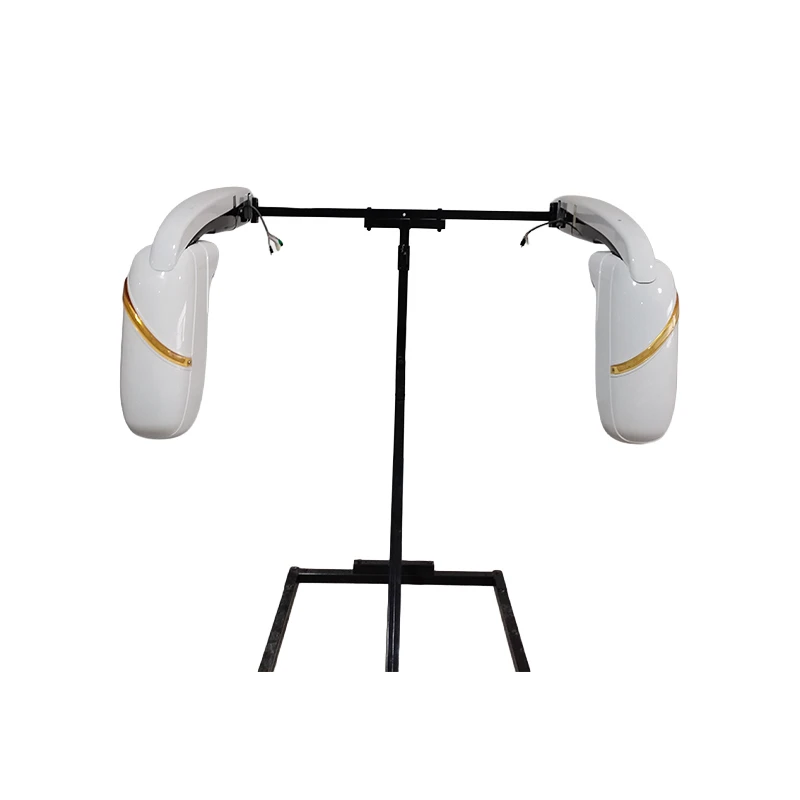
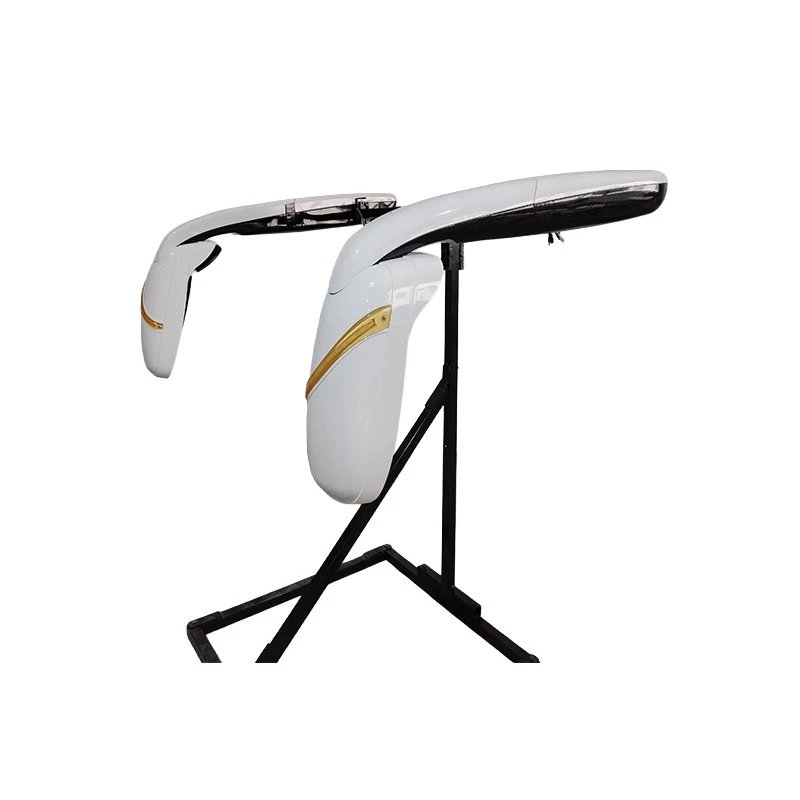
ABS (Acrylonitrile Butadiene Styrene) is another type of plastic used. It offers a good balance between strength and flexibility. ABS is impact - resistant, which means it can withstand minor bumps and knocks without getting damaged easily. It also has a high surface finish, which gives the mirror housing an attractive appearance.
Metal
Metal housing materials are also used, especially in high - end or heavy - duty applications. Aluminum is a common choice for its lightweight and corrosion - resistant properties. It's easy to machine and can be finished to a high standard, making it suitable for premium - looking exterior mirrors.
Steel is used in some heavy - duty mirrors, such as Heavy Duty Coach Folding Exterior Mirror. It offers excellent strength and durability, making it ideal for large vehicles like trucks and buses that may experience more wear and tear.
Mounting and Adjustment Components
To ensure that the exterior mirror can be properly attached to the vehicle and adjusted for the best viewing angle, various mounting and adjustment components are used.
Brackets
Brackets are used to mount the mirror to the vehicle. They are usually made of metal or a combination of metal and plastic. Metal brackets, such as those made of steel or aluminum, offer high strength and stability. Some brackets may be coated to prevent corrosion.
Plastic brackets are lighter and can be more cost - effective. They are often used in applications where weight reduction is important, or where the mirror doesn't need to withstand extremely high loads.
Motors and Gears
For power - adjustable mirrors, motors and gears are essential components. Motors are typically small, electric ones that can be controlled from inside the vehicle. They are made of various metals and plastic parts. The gears, which transfer the motion from the motor to the mirror, are usually made of high - strength plastics or metals like brass. Brass gears are preferred in some cases because of their low friction and good wear resistance.
Special Features and Additional Materials
Some exterior mirrors come with additional features, such as heating elements, turn signal indicators, and cameras.
Heating Elements
Heating elements are used to prevent the mirror from fogging up or icing over in cold or humid conditions. These elements are usually made of a thin layer of conductive material, such as a special type of resistive wire or a conductive film. When an electrical current passes through the heating element, it generates heat, keeping the mirror surface clear.
Turn Signal Indicators
Turn signal indicators on exterior mirrors are important for enhancing visibility and safety. They usually consist of a light source, such as an LED (Light - Emitting Diode), and a housing made of plastic or a clear material to allow the light to shine through. LEDs are popular because they are energy - efficient, have a long lifespan, and can provide bright, visible light.
Cameras
In modern vehicles, some exterior mirrors are equipped with cameras. The camera housing is typically made of plastic or metal, and the lens is made of glass or a high - quality plastic. The camera itself contains electronic components such as image sensors and circuit boards, which are made of various materials including silicon, copper, and other metals and plastics.
As a supplier of exterior mirrors, we offer a wide range of products to meet different customer needs. Whether you're looking for Tour Coach Exterior Mirror, Large Bus Exterior Mirror, Bus Folding Exterior Mirror, or Bus Exterior Mirror, we've got you covered. Our mirrors are made with high - quality materials to ensure durability, functionality, and safety.
If you're interested in purchasing our exterior mirrors or have any questions about our products, feel free to reach out to us for a detailed discussion. We're always happy to help you find the best mirror solutions for your vehicles.
References
- Automotive Mirror Handbook, various automotive engineering textbooks
- Industry reports on exterior mirror manufacturing and materials