

Blind - spot detection systems have become a game - changer in the automotive safety world. As an exterior rearview mirror supplier, I've seen firsthand how these systems work in tandem with our mirrors to enhance driver safety. Let's dig into the nitty - gritty of how blind - spot detection systems operate alongside exterior rearview mirrors.
The Basics of Blind Spots
First off, let's talk about what blind spots are. Blind spots are areas around a vehicle that a driver can't see directly through the windshield or side and rearview mirrors. These areas are like little hidden zones where other vehicles, pedestrians, or objects can lurk without the driver's immediate knowledge. And that's where blind - spot detection systems come in handy.
How Blind - Spot Detection Systems Function
Blind - spot detection systems use a variety of sensors to monitor the vehicle's blind spots. The most common sensors are radar sensors, which are usually mounted on the rear bumper or side of the vehicle. These radar sensors send out radio waves that bounce off objects in the blind spot. By measuring the time it takes for the waves to return, the system can calculate the distance and speed of the object.
When an object is detected in the blind spot, the system alerts the driver. This alert can come in different forms. One common way is through a visual indicator on the exterior rearview mirror. A small light, usually located on the mirror's frame or in the corner of the mirror, will illuminate to let the driver know there's something in the blind spot. Some systems also use audible alerts, like a beep, to grab the driver's attention.
The Role of Exterior Rearview Mirrors
Exterior rearview mirrors are a crucial part of the blind - spot detection system. They serve as the primary visual interface for the driver to see what's behind and to the sides of the vehicle. Our company, as an exterior rearview mirror supplier, designs mirrors that work seamlessly with blind - spot detection systems.
We've made sure that the visual indicators on the mirrors are easy to spot. They're bright enough to be seen during the day but not so bright that they're distracting at night. The placement of these indicators is also carefully considered. They're positioned in a way that doesn't obstruct the driver's view of the road but is still in their line of sight when they glance at the mirror.
Different Types of Mirrors and Their Compatibility
We offer a range of exterior rearview mirrors, including Intercity Bus Rearview Mirror, Bus Wing Mirror, and Commercial Vehicle Mirror. Each type of mirror is designed to meet the specific needs of different vehicles.
For intercity buses, the mirrors need to provide a wide - angle view to cover a large area around the bus. The blind - spot detection system on these buses needs to be able to detect objects at a greater distance. Our intercity bus rearview mirrors are designed with this in mind. They have a special curvature that helps to expand the field of view, and the blind - spot detection indicators are clearly visible even from the driver's seat at the front of the bus.
Bus wing mirrors are typically smaller and are used to provide a view of the area near the side of the bus. The blind - spot detection system for these mirrors focuses on detecting objects that are closer to the bus. Our bus wing mirrors are equipped with sensors that are sensitive enough to pick up on small objects in the immediate vicinity.
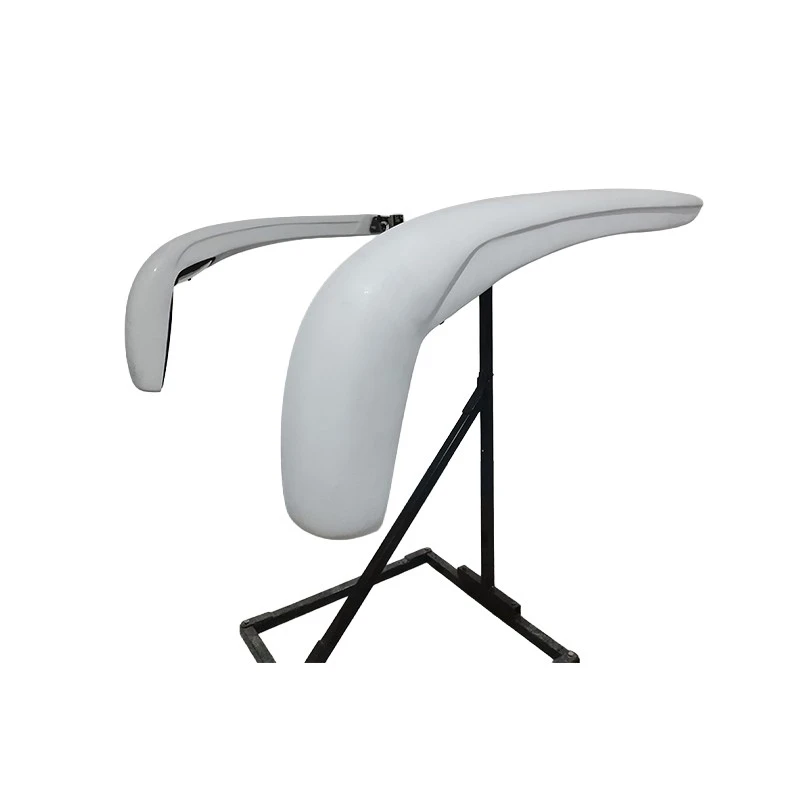
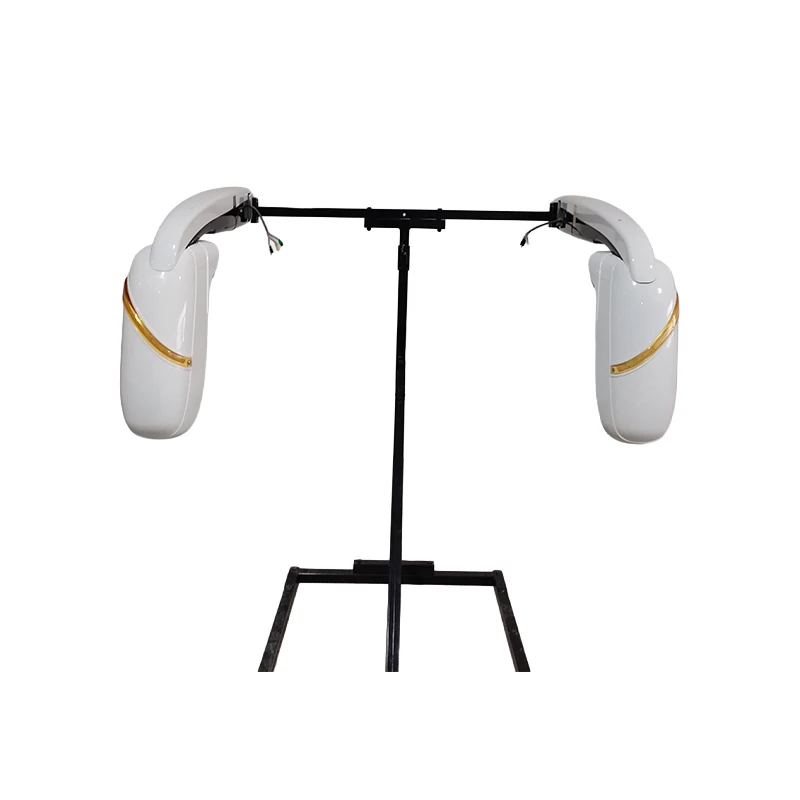
Commercial vehicle mirrors, on the other hand, are used in a variety of trucks and vans. These vehicles often have different blind - spot patterns depending on their size and shape. Our commercial vehicle mirrors are customizable to fit the specific requirements of each vehicle. The blind - spot detection system can be adjusted to detect objects at different distances and angles, ensuring that drivers have full awareness of their surroundings.
Advantages of Combining Blind - Spot Detection and Mirrors
The combination of blind - spot detection systems and exterior rearview mirrors offers several advantages. First and foremost, it improves safety. By alerting the driver to objects in the blind spot, it reduces the risk of collisions. This is especially important in busy traffic or when changing lanes.
It also gives drivers more confidence on the road. Knowing that there's an extra layer of protection in the form of a blind - spot detection system makes drivers feel more secure. They can focus on driving without constantly worrying about what might be hiding in their blind spots.
Another advantage is that it can help to reduce insurance costs. Many insurance companies offer discounts to vehicles equipped with advanced safety features like blind - spot detection systems. This is because these systems have been shown to reduce the number of accidents.
Challenges and Limitations
Of course, like any technology, blind - spot detection systems and exterior rearview mirrors have their challenges and limitations. One challenge is that the sensors can be affected by weather conditions. Heavy rain, snow, or fog can interfere with the radar signals, reducing the system's accuracy.
Another limitation is that the system may not detect all objects. Small objects, like motorcycles or bicycles, may be more difficult to detect, especially if they're moving quickly. And in some cases, the system may give false alerts, which can be annoying for the driver.
Future Developments
The future of blind - spot detection systems and exterior rearview mirrors looks promising. We're constantly working on improving the technology to make it more reliable and accurate. One area of development is the use of cameras in addition to radar sensors. Cameras can provide a more detailed view of the blind spot, which can help to detect smaller objects.
We're also looking into ways to make the visual indicators on the mirrors more intuitive. For example, instead of just a simple light, the indicator could show the direction and distance of the object in the blind spot.
Contact for Purchase and Collaboration
If you're in the market for high - quality exterior rearview mirrors that work seamlessly with blind - spot detection systems, we'd love to hear from you. Whether you're a bus operator, a commercial vehicle fleet manager, or an automotive manufacturer, we have the products and expertise to meet your needs. Contact us to start a discussion about your requirements and how we can provide the best solutions for you.
References
- Automotive Safety Handbook, various editions
- Research papers on blind - spot detection systems from leading automotive research institutions