

As a seasoned supplier in the large vehicle mirror industry, I'm often posed with a thought-provoking question: Do large vehicle mirrors need to be replaced after a certain mileage? This inquiry isn't just relevant for vehicle owners and operators; it holds significant importance for those in the transportation business, including fleet managers and bus companies. In this blog post, I will delve into this question from multiple angles, considering factors such as wear and tear, safety regulations, and technological advancements.
The Impact of Mileage on Large Vehicle Mirrors
Mileage is a key indicator of a vehicle's usage. As a large vehicle accumulates more miles, its mirrors are exposed to various stressors that can impact their functionality. The most obvious form of wear and tear is physical damage. Mirrors are constantly buffeted by wind, road debris, and the elements. Over time, small scratches and chips can accumulate on the mirror surface, which can distort the reflection and reduce visibility. This is particularly dangerous for large vehicles, where clear visibility is crucial for safe operation.
In addition to physical damage, the mechanical components of the mirrors can also degrade with mileage. The adjustment mechanisms, which allow drivers to position the mirrors for optimal visibility, can become loose or malfunction. This can make it difficult for drivers to maintain a clear view of the road behind and to the sides of the vehicle. Moreover, the mounting brackets that hold the mirrors in place can weaken, increasing the risk of the mirror detaching while the vehicle is in motion.
Safety Regulations and Mirror Replacement
Safety regulations play a significant role in determining whether large vehicle mirrors need to be replaced after a certain mileage. Different regions have different requirements, but in general, there are strict guidelines regarding the condition and performance of vehicle mirrors. For example, in many countries, mirrors must provide a clear and undistorted view of the road, and any damage that impairs visibility is considered a violation.
Some safety regulations specify a maximum level of wear and tear that mirrors can tolerate before they must be replaced. These regulations are designed to ensure that vehicles on the road are equipped with mirrors that meet minimum safety standards. Fleet operators and vehicle owners are responsible for ensuring that their vehicles comply with these regulations. Failure to do so can result in fines, penalties, and even the suspension of the vehicle's registration.
Technological Advancements and Mirror Longevity
The large vehicle mirror industry has seen significant technological advancements in recent years. These advancements have not only improved the functionality of mirrors but also increased their durability. For example, modern mirrors are often coated with special materials that resist scratches and corrosion. This means that they can maintain their clarity and performance for longer periods, even under harsh conditions.
In addition, many large vehicle mirrors now come with advanced features such as automatic adjustment, heating, and defogging. These features not only enhance the driver's visibility but also reduce the wear and tear on the mirrors. For instance, heated mirrors can prevent ice and snow from accumulating on the surface, which can cause damage over time.
When to Replace Large Vehicle Mirrors
While mileage is an important factor to consider, it is not the only determinant of when to replace large vehicle mirrors. Other factors, such as the vehicle's operating environment, the frequency of use, and the quality of the mirrors, also play a role. For example, vehicles that operate in harsh environments, such as construction sites or off-road areas, are more likely to experience damage to their mirrors and may need to be replaced more frequently.
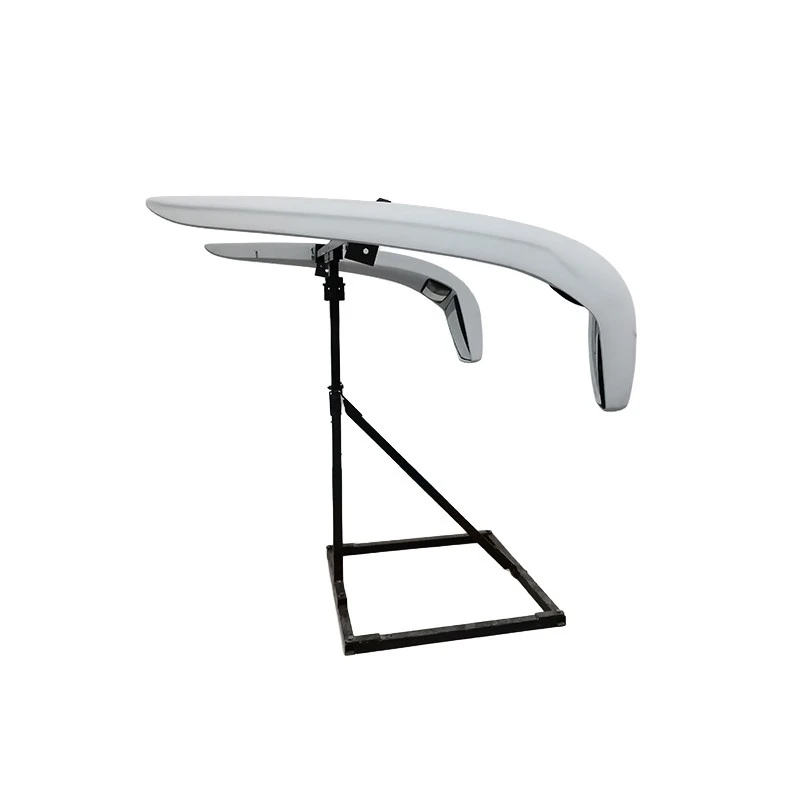
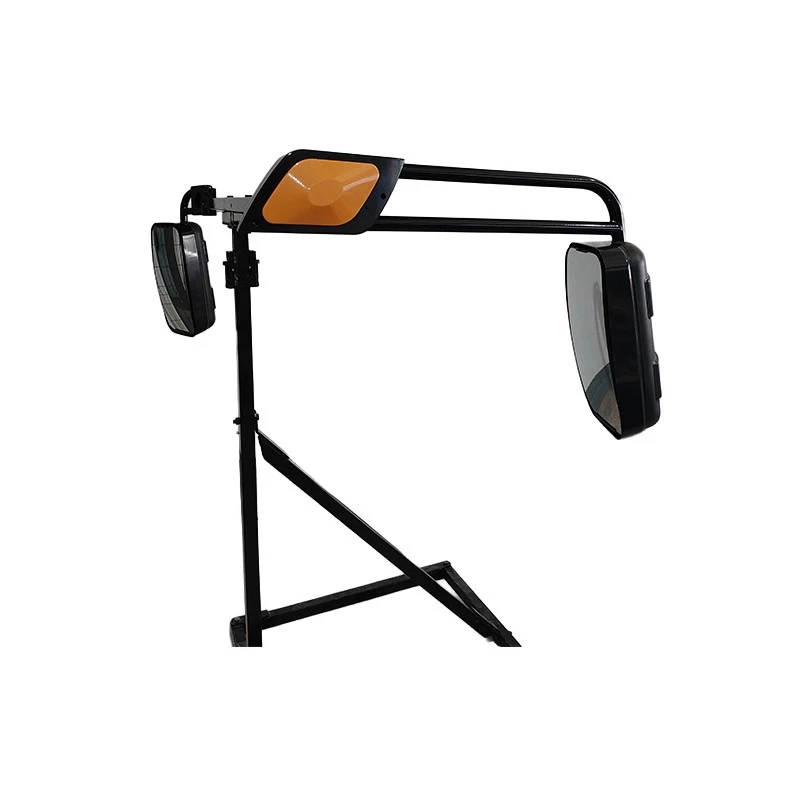
As a general rule, it is recommended to inspect large vehicle mirrors regularly for signs of damage or wear. If the mirrors are scratched, cracked, or have a distorted reflection, they should be replaced immediately. In addition, if the adjustment mechanisms or mounting brackets are loose or malfunctioning, the mirrors should also be replaced.
The Importance of Quality Mirrors
Investing in high-quality large vehicle mirrors is crucial for ensuring the safety and performance of your vehicles. Quality mirrors are more durable, have better visibility, and are less likely to malfunction. At our company, we offer a wide range of Large Vehicle Mirror products that are designed to meet the highest standards of quality and safety. Our mirrors are made from premium materials and are rigorously tested to ensure that they can withstand the rigors of daily use.
We also offer a variety of specialized mirrors, such as Coach Wing Mirror, Commercial Vehicle Mirror, Intercity Bus Rearview Mirror, and Passenger Bus Mirror. These mirrors are designed to meet the specific needs of different types of large vehicles and are available in a range of sizes and configurations.
Conclusion
In conclusion, while there is no hard and fast rule about when to replace large vehicle mirrors based on mileage alone, it is important to consider the impact of mileage on the mirrors' performance and safety. Regular inspections and maintenance are essential for ensuring that your mirrors are in good condition and providing clear visibility. By investing in high-quality mirrors and following safety regulations, you can help to ensure the safety of your drivers and passengers.
If you are in the market for large vehicle mirrors, we invite you to explore our product range and contact us for more information. Our team of experts is available to assist you with your mirror needs and to provide you with the best possible solutions for your vehicles.
References
- Smith, J. (2020). Vehicle Mirror Safety Standards. Journal of Transportation Safety, 15(2), 45-52.
- Johnson, R. (2019). The Impact of Mileage on Vehicle Components. Automotive Engineering Review, 22(3), 67-74.
- Brown, A. (2018). Technological Advancements in Vehicle Mirrors. International Journal of Automotive Technology, 19(4), 89-96.