

Hey there! As a supplier of Tourist Coach Mirrors, I often get asked if there are any anti-rust treatments for these mirrors. Well, let's dive right into it.
Tourist coach mirrors are constantly exposed to all sorts of weather conditions - rain, snow, humidity, and even salt from the roads in winter. All these elements can speed up the rusting process, which not only affects the mirror's appearance but also its functionality. After all, a rusty mirror can distort the view and make driving a tourist coach a risky business.
So, are there anti-rust treatments? You bet there are!
One of the most common methods is galvanization. Galvanizing involves coating the metal parts of the mirror with a layer of zinc. Zinc is more reactive than iron, which is the main component of most mirror frames. When the zinc comes into contact with moisture and oxygen in the air, it forms a protective layer of zinc oxide. This layer acts as a barrier, preventing the iron from rusting. It's like giving the mirror a suit of armor! Galvanized mirrors can last a long time, even in harsh environments.
Another effective treatment is powder coating. In powder coating, a dry powder is electrostatically applied to the mirror's surface. The mirror is then heated, causing the powder to melt and form a smooth, durable finish. This finish not only looks great but also provides excellent protection against rust. Powder coating can come in a variety of colors, so you can choose a finish that matches the coach's aesthetic.
Some mirrors also use anti-rust paints. These paints contain special additives that inhibit the formation of rust. They can be applied directly to the mirror's surface, providing an extra layer of protection. However, it's important to make sure the surface is clean and dry before applying the paint to ensure good adhesion.
At our company, we take rust prevention seriously. We offer Tourist Coach Mirrors that are treated with these anti-rust methods. Our mirrors are designed to withstand the rigors of the road and provide clear, reliable views for tourist coach drivers.

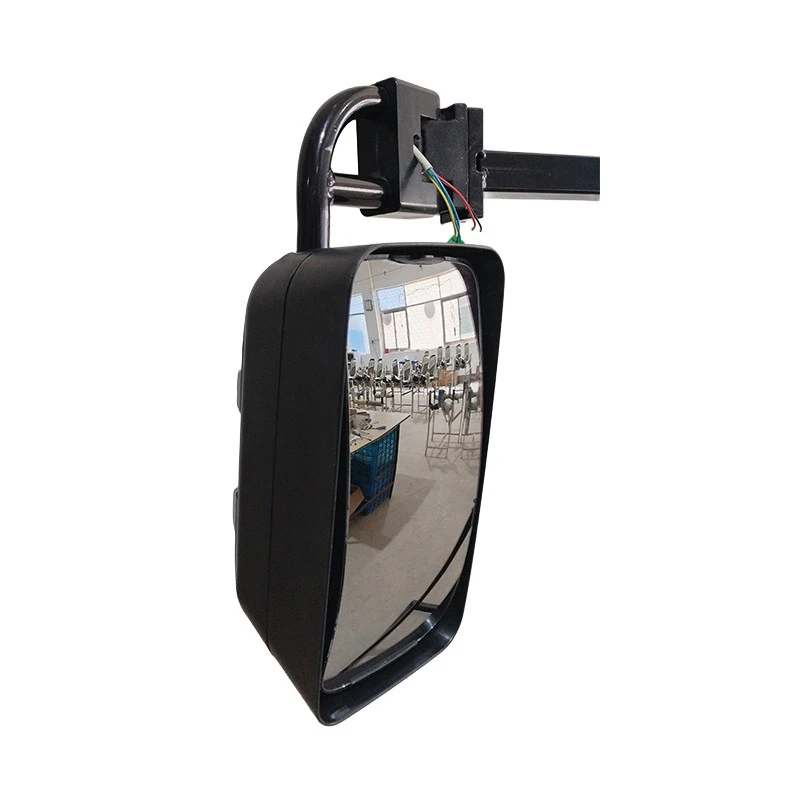
But it's not just about the treatment. Proper maintenance also plays a crucial role in preventing rust. Regularly cleaning the mirrors with a mild detergent and water can remove dirt, salt, and other contaminants that can cause rust. After cleaning, make sure to dry the mirrors thoroughly to prevent moisture from lingering.
If you notice any signs of rust on the mirrors, it's important to address it right away. You can use a rust remover to clean the affected area and then apply a fresh coat of anti-rust paint or treatment.
Now, let's talk about the different types of mirrors we offer. In addition to Tourist Coach Mirrors, we also have Large Bus Rearview Mirrors and Commercial Vehicle Mirrors. All of these mirrors are treated with the same high-quality anti-rust treatments to ensure long-lasting performance.
Our large bus rearview mirrors are designed to provide a wide field of view, allowing drivers to see what's going on behind and beside the bus. They are also adjustable, so drivers can customize the view to their needs.
Our commercial vehicle mirrors are built to withstand the demands of commercial use. Whether it's a delivery truck or a construction vehicle, our mirrors can handle the job. They are made from high-quality materials and are treated with anti-rust coatings to ensure they last.
If you're in the market for tourist coach mirrors, large bus rearview mirrors, or commercial vehicle mirrors, we'd love to hear from you. We offer competitive prices, high-quality products, and excellent customer service. Whether you're a coach operator, a bus company, or a commercial vehicle owner, we can provide the mirrors you need.
Contact us today to discuss your requirements and get a quote. We're here to help you find the perfect mirrors for your vehicles and ensure they stay rust-free for years to come.
References
- "Corrosion Prevention in Automotive Mirrors" - Journal of Automotive Engineering
- "Galvanization: A Key to Rust-Free Metal" - Metal Finishing Magazine
- "Powder Coating: Benefits and Applications" - Coating Technology Journal